Blog
-
Fayetteville Works: A Major PFAS Settlement, but Litigation Continues
- November 4th, 2026 — by Taylor Young1 — Category: Water Quality
Over the past decade, there have been thousands of lawsuits filed against per- and polyfluoroalkyl substances (“PFAS”) manufacturers involving contamination of rivers and public drinking water, personal injuries, trespass, and other related claims. Many of these lawsuits have settled, and few have gone to trial. However, in 2015, one of the first major PFAS bellwether trials resulted in a jury awarding the plaintiff $1.6 million for personal injuries associated with PFAS exposure.2 Since then, the number of cases and settlements has only expanded, with the most recent settlement involving the state of North Carolina and local governmental entities.
Understanding PFAS: What Are They?
PFAS have been used since the 1940s, following an important discovery in 1938 by DuPont chemist Roy Plunkett.3 To Plunkett’s surprise, this new material, later known as Teflon, was remarkably durable, repelled water, and resisted extreme heat. Soon, the industrial use of this substance became apparent, and it was even used for the Manhattan Project. To develop the first atomic bomb, scientists needed to contain a gaseous form of uranium that would corrode ordinary steel and metal pipes. However, components coated with Teflon could withstand the gaseous uranium. Soon, PFAS chemicals began being used in ordinary cookware and appliances, but it was unknown to the general public just how durable these chemicals are. PFAS are now popularly called the “forever chemicals” because their resistance to natural breakdown nearly makes them indestructible. In recent years, concerns over PFAS contamination and broader use have led to increasing regulatory scrutiny and litigation across the country.The Fayetteville Works Litigation
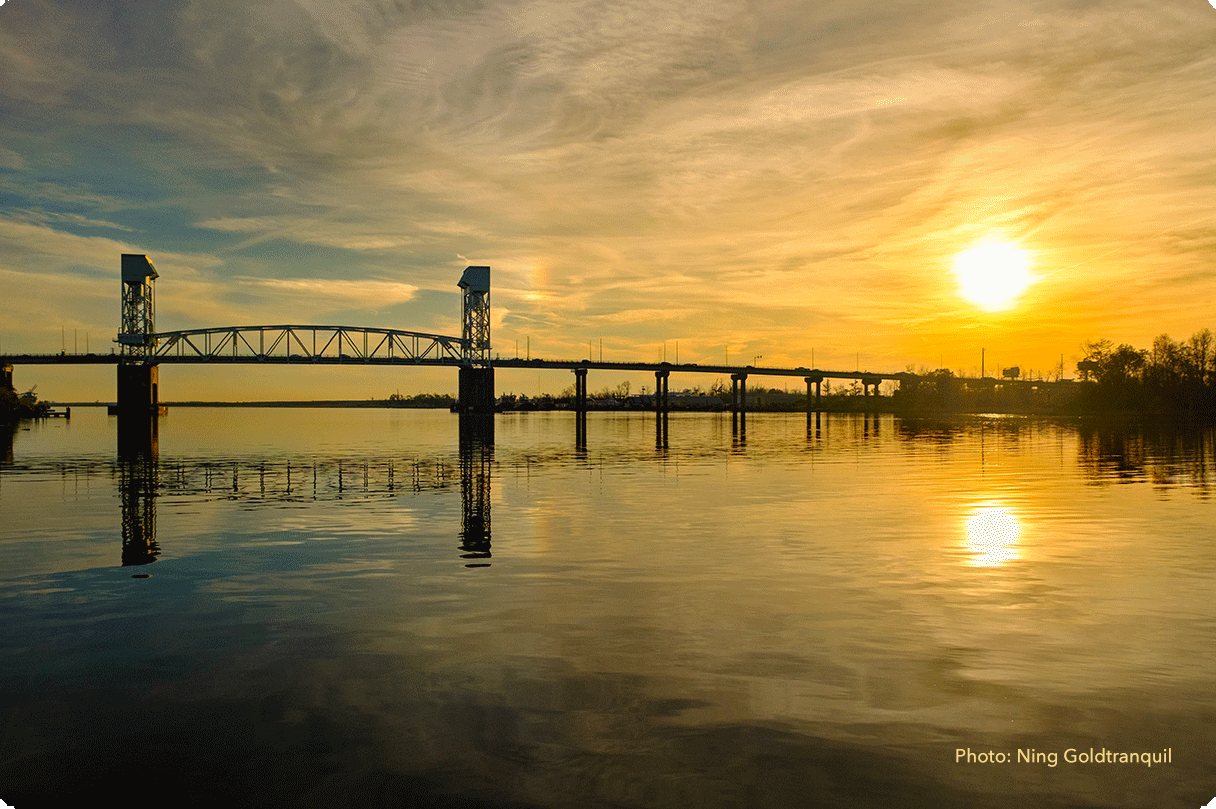
One of the most closely watched PFAS disputes arose out of the Fayetteville Works Facility in North Carolina near the Cape Fear River. E. I. du Pont de Nemours and Company (DuPont) owned and operated the facility from the 1970s until 2015, when ownership transferred to Chemours, a spin-off company from DuPont. The facility produced many chemicals, including GenX, a PFAS-related processing technology developed as an alternative to PFOA. GenX was claimed to be a “more sustainable solution” and to have more rapid bioelimination.4 The facility allegedly released chemicals, including GenX-related PFAS, into the Cape Fear River and the air, contaminating the river and groundwater. As a result, the contamination allegedly infiltrated the public water system and private wells, affecting the health and well-being of tens of thousands of people.Since 2017, thousands of plaintiffs have brought suit against Chemours, DuPont, and Corteva over PFAS contamination associated with the facility, including private well owners, residents, water utilities, counties, and the State of North Carolina. Notably, DuPont and Chemours have been involved in a number of settlement agreements. For example, in 2023, Chemours, DuPont, and Corteva agreed to pay $1.185 billion to resolve nationwide claims brought by public water systems.5 In the past three months, the companies have entered into two additional significant settlements, one with approximately over 2,600 private property owners near the facility for an undisclosed amount and, more recently, a $455 million settlement with North Carolina and 11 local entities.6 Under the recent settlement agreement, Chemours is responsible for 50% of the settlement payments, DuPont for 35.5%, and Corteva for 14.5%.7 The settlement divides the plaintiffs into two classifications: the State of North Carolina and the local governmental entities. The local entities receive the lion’s share of the settlement, $380 million over ten years, with $77.5 million due within 30 days of execution. The state will receive $75 million over fifteen years, with $25 million due within thirty days.
Importantly, the funds are not simply unrestricted payments to the state and local governments. Rather, the agreement includes provisions designed to address the ongoing effects of contamination through environmental restoration, remediation, and improvements to water quality systems. For example, North Carolina has allocated approximately $55 million of its settlement proceeds to the Emerging Contaminant Mitigation Fund, which supports local government efforts to proactively detect and mitigate contamination in drinking water.8 Of note, the September settlement resolves claims brought by the State of North Carolina and local governmental entities but does not resolve all claims against the facility and the related business entities. For example, the settlement does not resolve personal injury claims or other related claims. In fact, a class action lawsuit is scheduled for trial in March 2027, alleging that contamination from the facility constituted trespass and nuisance and that the companies were negligent in their disposal of the chemicals. In August 2026, a federal judge granted partial summary judgment in favor of the plaintiffs on trespass liability, although damages and other claims remain unresolved.9
Furthermore, one local governmental entity, the Cape Fear Public Utility Authority (CFPUA), was not a party to the multimillion-dollar settlement and has decided to continue pursuing its legal claims against the companies. CFPUA commented on the settlement agreement, stating it was “encouraged to learn that Chemours has resolved its cases with the Town of Wrightsville Beach and other neighboring communities affected by PFAS pollution from Chemours and DuPont,” but went on to clarify that CFPUA and its customers have spent millions mitigating the impacts of PFAS contamination and will continue pursuing litigation to ensure that the companies, rather than ratepayers, bear responsibility for their actions.10
Interestingly, the settlement, while it does not resolve these claims, takes some proactive measures to address ongoing contamination. For example, the agreement establishes a $135 million financial reserve to help ensure Chemours continues meeting its obligations under a 2019 consent order with North Carolina, even if the company becomes unable to pay. The financial security, provided by DuPont and Corteva, helps ensure that affected private well owners continue receiving clean drinking water and that other cleanup and remediation programs continue.
Although the September settlement resolves significant legal claims against these companies, litigation surrounding the facility remains ongoing. In the immediate future, this settlement, along with others across the U.S., takes meaningful steps to remedy the harmful effects of PFAS contamination while helping ensure ongoing cleanup efforts continue. Nevertheless, with additional lawsuits still pending and contamination continuing to affect surrounding communities, the legal obligations, responsibilities, and environmental consequences remain far from resolved.
1 NSGLC Research Associate; 3L, University of Mississippi School of Law.
2 In re E. I. du Pont de Nemours & Co. C-8 Pers. Inj. Litig., 2016 WL 659112, at *1 (S.D. Ohio Feb. 17, 2016).
3 Sara Samora, The History of PFAS: From World War II to Your Teflon Pan, Manufacturing Dive (Dec. 6, 2023); see also Kim Lavin, 3M & PFAS Contamination: A Comprehensive Timeline & Settlement Overview, Verus (last visited Oct. 27, 2026).
4 Supply Chains of Nonstick PTFE Pan Coatings: Case studies, Ecology Ctr. (last visited Oct. 27, 2026).
5 Chemours, DuPont, and Corteva Reach Comprehensive PFAS Settlement with U.S. Water Systems, Dupont (June 2, 2023).
6 Lisa Sorg, A Key Forever Chemicals Lawsuit Settles Out of Court in North Carolina, Inside Climate News (July 13, 2026); Chemours, DuPont and Corteva Reach Agreement to Resolve PFAS-Related Claims in North Carolina, Chemours (Sept. 10, 2026).
7 Settlement Agreement § III.A (Sept. 9, 2026).
8 NC Settles PFAS Claims for $590 Million, N.C. League of Conservation Voters (Sept. 14, 2026).
9 Cohen Milstein, Chemours One Step Closer to Facing Jury Trial in Cape Fear River PFAS Class Action, CohenMilstein (Aug. 26, 2026).
10 Hannah Hall, $600M State Settlement Won’t Stop CFPUA Lawsuit Against Chemours, DuPont, Wect 6 News (Sep. 10, 2026).
Taylor Young
NSGLC Research Associate
Stay Current with
Our Publications
Subscribe today to our free
quarterly publication, The SandBar
— and to our monthly newsletter,
the Ocean and Coastal Case Alert.
Blog Post Archive
2026
2025
2024
2023
2022
2021
2020
2019
2018