
Blog
Recent Blog Posts
- Meet Our New Ocean and Coastal Law Fellow: Giulianna Pendleton
- September 16th, 2026 — Category: Staff
- Meet our new Ocean and Coastal Law Fellow, Giulianna Pendleton! We asked Giulianna several questions to get to know her better.
-
- The EPA’s New Proposals to Modify PFAS Drinking Water Standards
- July 13th, 2026 — by Amy Armata — Category: Water Quality

- On May 18, 2026, the U.S. Environmental Protection Agency (EPA) announced two proposed rules modifying regulations for treating per- and polyfluoroalkyl substances (PFAS) in drinking water under the Safe Drinking Water Act (SDWA). The EPA proposals seek to extend compliance deadlines for two common PFAS compounds, perfluorooctanoic acid (PFOA) and perfluorooctanesulfonic acid (PFOS), and rescind four other forever chemicals. The rules would change the scope of the EPA’s 2024 PFAS drinking water standards.
-
- Environmental Groups Challenge NMFS’ Horseshoe Crab Decision
- July 10th, 2026 — by Vishnu Gadepalli — Category: Endangered Species
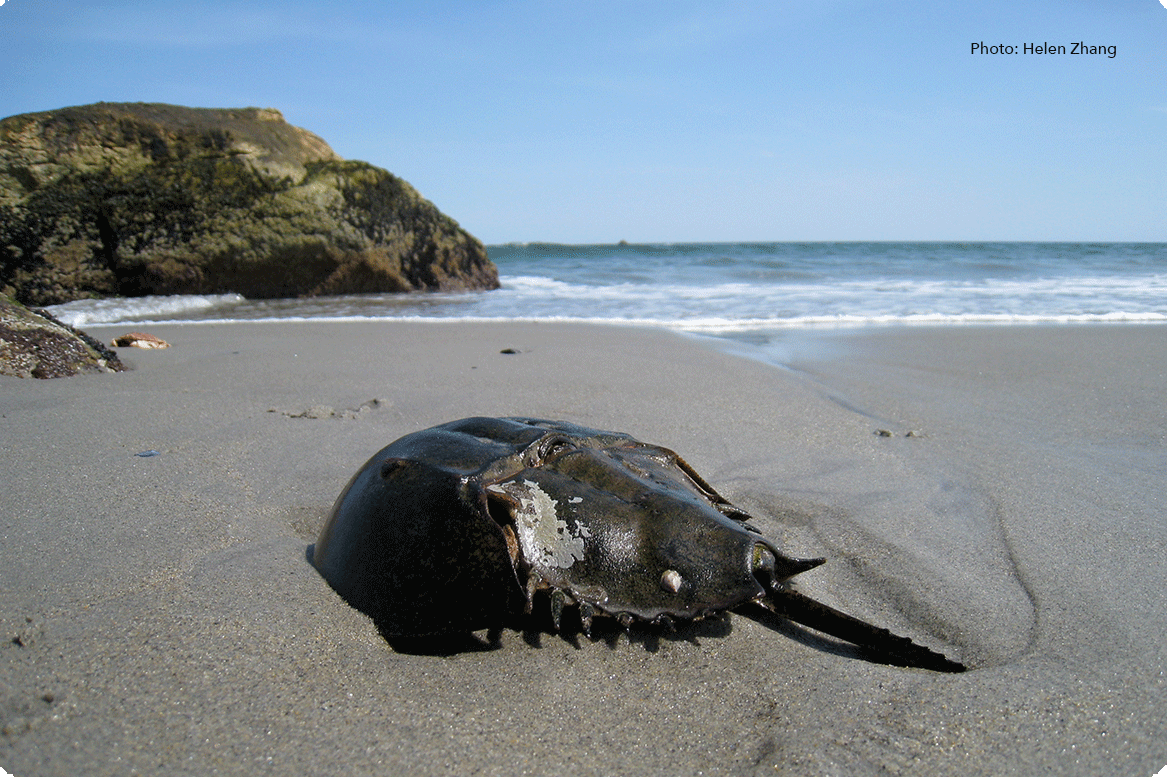
- Horseshoe crabs have existed in the ocean for over 450 million years, surviving mass extinctions and ice ages. However, conservation groups claim that their existence is now at risk due to human activities. The groups assert that horseshoe crab populations have dwindled by more than 70% in recent decades, as they are routinely harvested for bait and their blue blood is drained for biomedical testing.
-
- President Trump Expands U.S. Commercial Fishing in Three Marine National Monuments
- July 8th, 2026 — by Jordan Young — Category: Marine Monuments
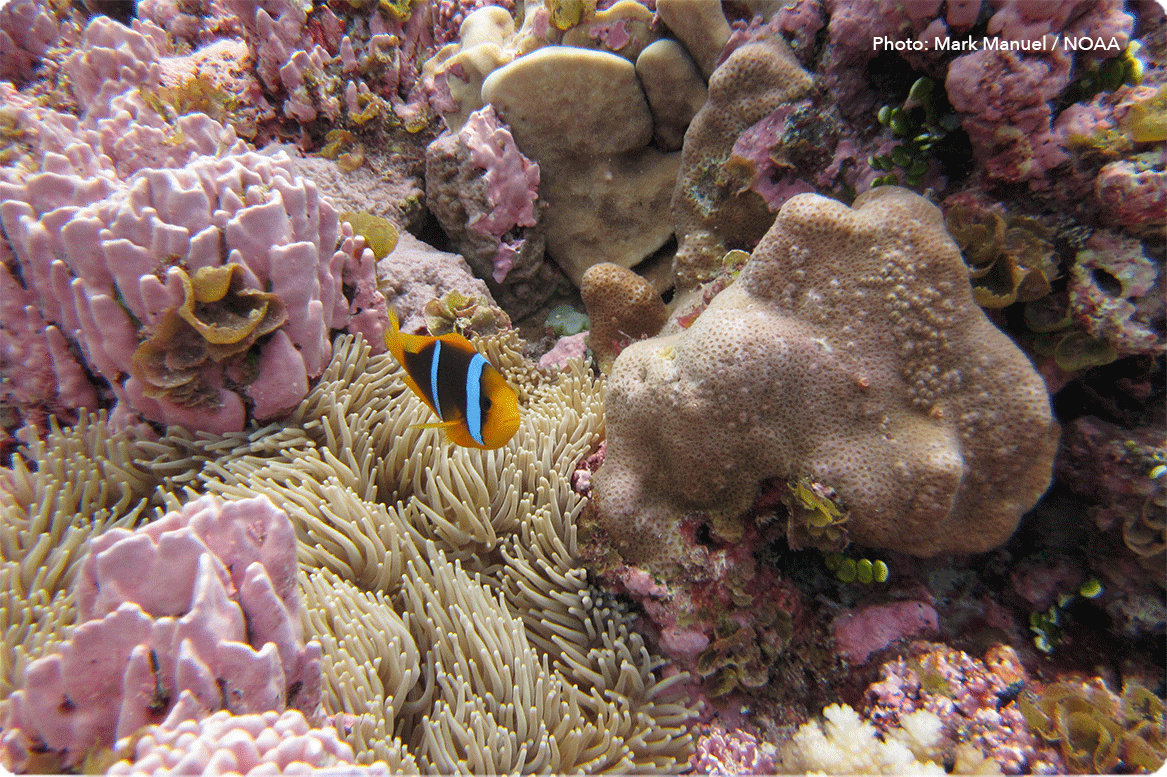
- President Donald Trump recently issued a proclamation, “Restoring American Commercial Fishing in the Pacific,” seeking to expand commercial fishing access in three Pacific Marine National Monuments. The three monuments affected are the Papahānaumokuākea Marine National Monument, Mariana Trench Marine National Monument, and Rose Atoll Marine National Monument. The proclamation removes previous restrictions set on each monument’s protected area to allow commercial fishing access to American-flagged vessels and the Secretary of Commerce to issue transport permits to foreign-flagged vessels for transporting harvested fish out of the monuments’ waters.
-
- Meet NSGLC 2026 Community Engaged Intern: Vishnu Gadepalli
- June 12th, 2026 — Category: Staff

- The National Sea Grant Law Center welcomes Vishnu Gadepalli for its 2026 Community Engaged Internship (CEI)! Vishnu is a senior in the 3+3 Accelerated Law Studies program, majoring in Legal Studies and minoring in Environmental Studies at the University of Mississippi, and will begin his 1L year of law school at the University of Mississippi School of Law in the Fall of 2026.
-
- Meet NSGLC Summer Research Associate: Amy Armata
- June 9th, 2026 — Category: Staff

- The National Sea Grant Law Center is excited to welcome Summer Research Associate Amy Armata this summer! Amy is a 2L at New York Law School.
-
- Meet NSGLC Summer Research Associate: Jordan Young
- June 4th, 2026 — Category: Staff

- The National Sea Grant Law Center is excited to welcome Summer Research Associate Jordan Young, a 2L at Vermont Law and Graduate School. Jordan will take part in the Community Engaged Legal Internship Program, working with NSGLC and our project partner, Oregon Sea Grant.
-
- High Seas Treaty Goes Into Effect
- February 13th, 2026 — by Charles Miller — Category: Miscellaneous
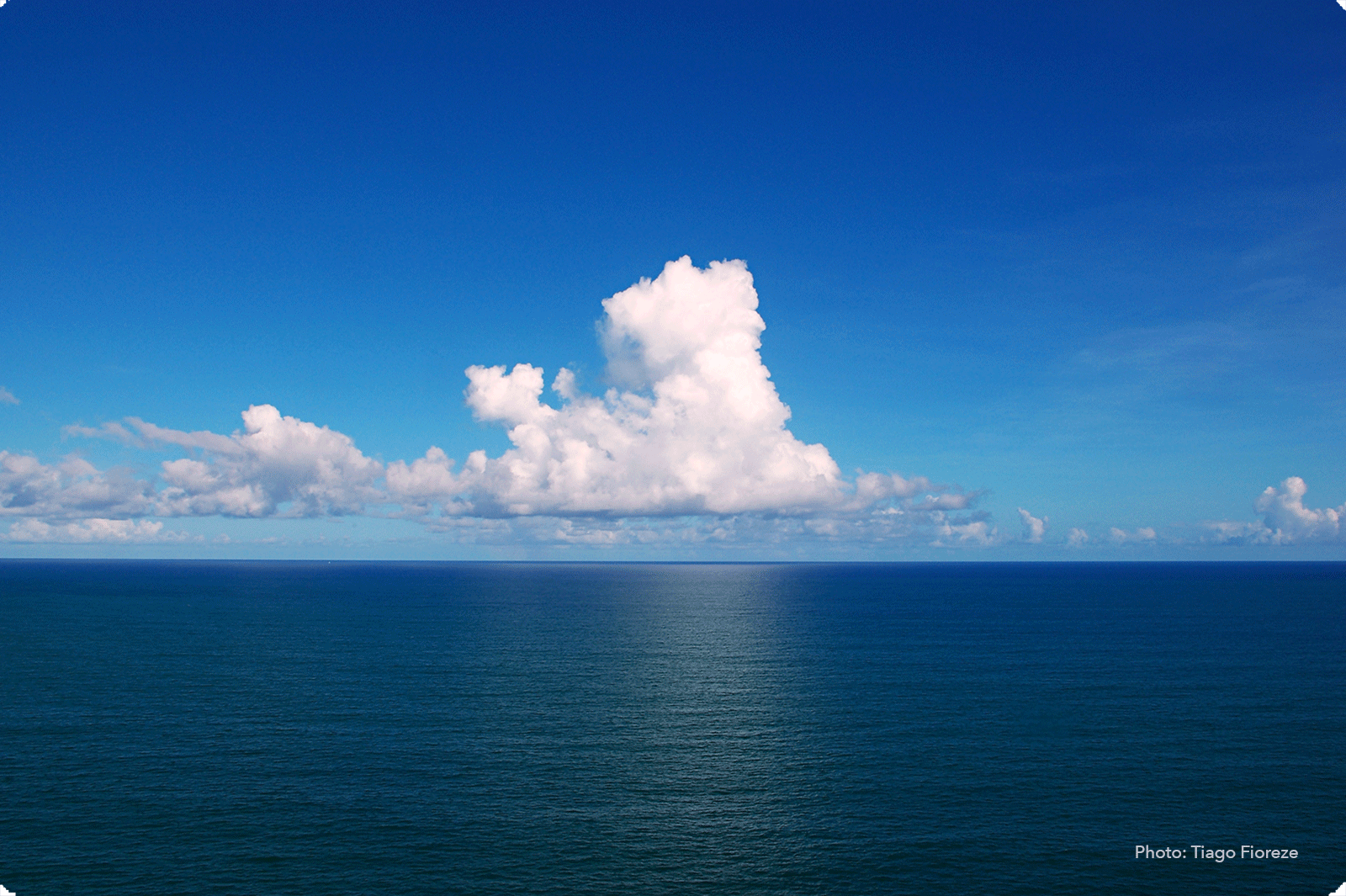
- The United Nations (UN) has announced the agreement to protect marine life in international waters, called the Biodiversity Beyond National Jurisdiction (BBNF) treaty, or the High Seas Treaty (the Treaty) has officially entered into force. Its purpose is to protect the ocean zones that lie beyond national waters, called the “high seas.” While the UN has discussed a possible agreement governing the high seas for the last two decades, serious talks only began in 2017. The impetus was both to protect marine life generally, and to reach the UN’s goal to protect 30% of the Earth’s land and water by 2030. The Treaty text was finalized in June of 2023, but required 60 countries' to ratify it before it became legally binding. This requirement was reached on September 19, 2025, and the Treaty officially went into effect 120 days later, on January 17, 2026. As of February 11, 85 countries have ratified the Treaty.
-
- Gulf Fishery Management Council Votes to Extend the Requirements of the DESCEND Act
- February 9th, 2026 — by Catherine Janasie — Category: Fisheries

- In order to address the risk of barotrauma in reef fish, Congress passed the Direct Enhancement of Snapper Conservation and the Economy through Novel Devices (DESCEND) Act of 2020. The DESCEND Act addressed the risk of barotrauma by requiring commercial or recreational vessels fishing for reef fish to possess a venting tool or descending device that is rigged and ready for use when fishing in the Gulf. A venting tool is a device, such as a large needle, that enables the angler to penetrate the abdomen of a fish to release excess gases. A descending device helps anglers release fish at depth to minimize trauma.
-
- Breaking Down the AFFF Multidistrict Litigation
- August 11th, 2025 — by Blakely Durham — Category: Water Quality

- South Carolina has become a hotspot for litigation surrounding per- and polyfluoroalkyl substances (PFAS). The reason? The United States District Court for the District of South Carolina is home to the Aqueous Film-Forming Foams Product Liability Multidistrict Litigation.
Guest Author Interest Form
If you're interested in writing for the NSGLC Blog, sign up as a Guest Author.
Blog Post Archive
2026
2025
2024
2023
2022
2021
2020
2019
2018